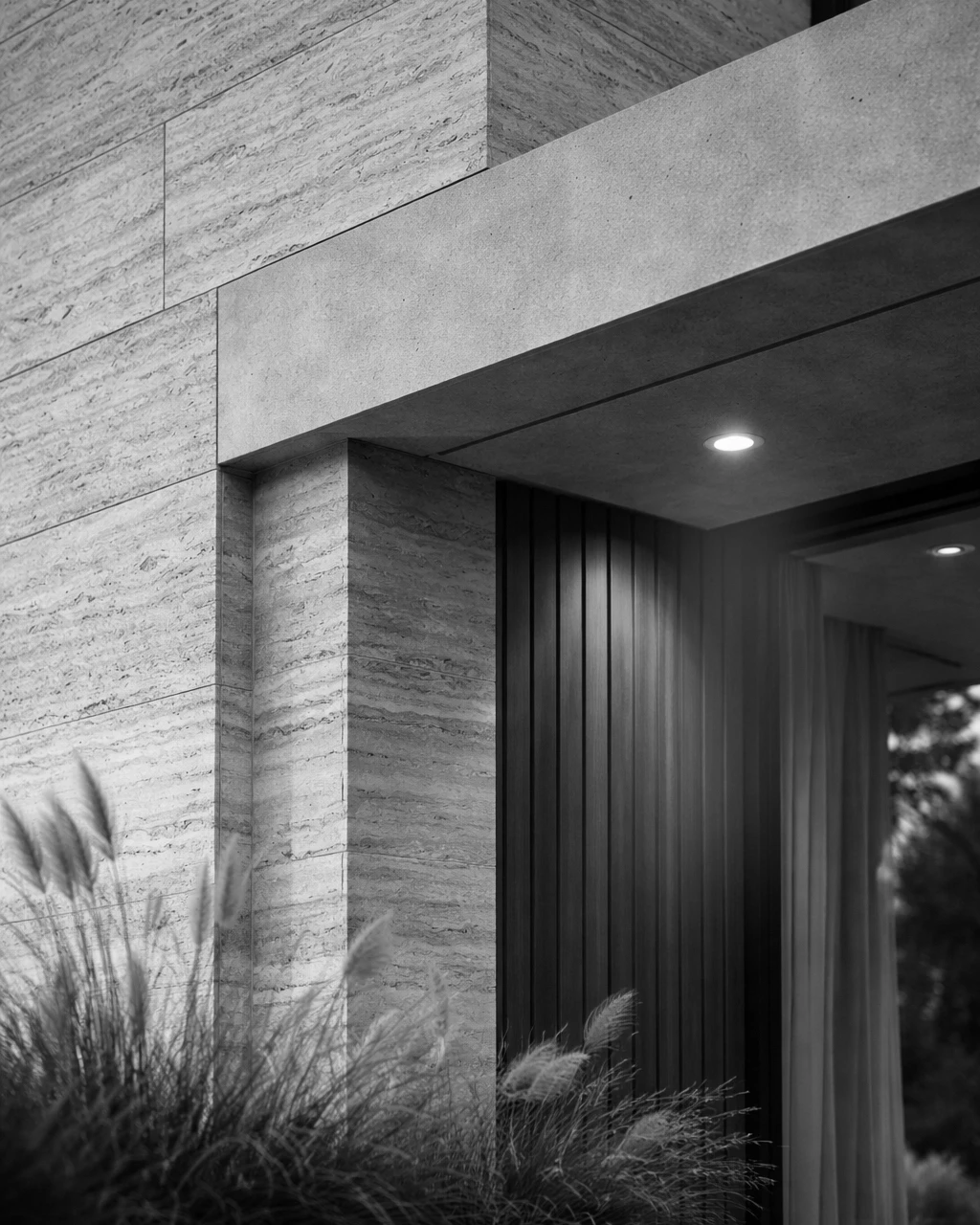
PALOMA HUCKE - AN OASIS REIMAGINED
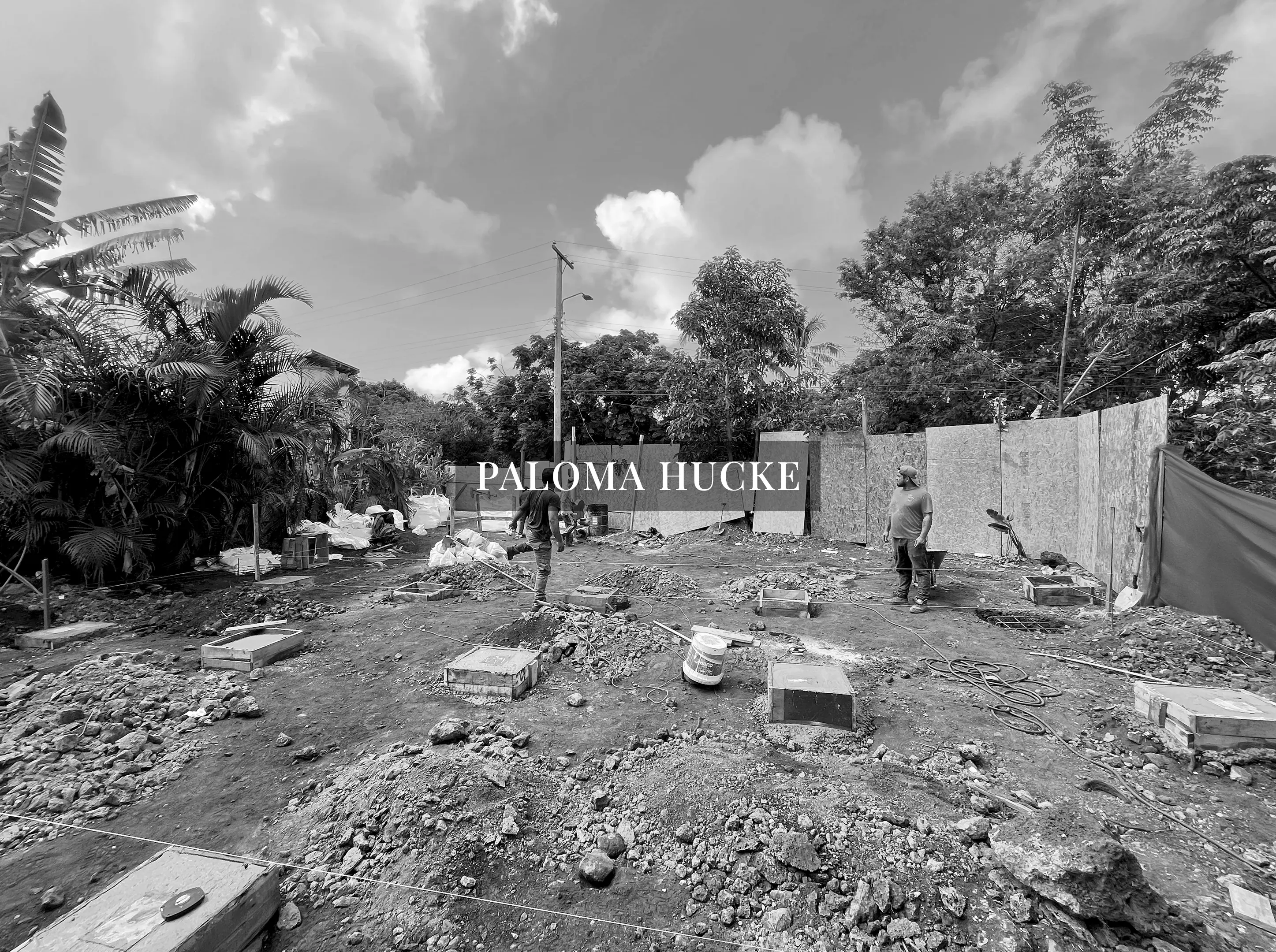
Designing Paloma Hucke: An Oasis Reimagined
Introduction
Paloma Hucke marks the beginning of a new architectural narrative for Mapscapes—one rooted in retreat, stillness, and spatial clarity. Conceived as a contemporary resort, the project explores how architecture can create a sense of escape not through excess, but through restraint, hierarchy, and atmosphere.
At its core, the project draws from the timeless idea of an oasis—a place of refuge defined by contrast. In a world of visual and spatial noise, Paloma Hucke is designed as an inward-looking sanctuary, where built form, landscape, and experience converge into a singular, immersive environment.
The Concept: Architecture as Refuge
The concept of an oasis is not treated as a stylistic reference, but as a spatial strategy. Historically, an oasis is defined by its ability to sustain life within isolation—an idea that translates architecturally into protection, enclosure, and controlled openness.
For Paloma Hucke, this manifests as a carefully composed inward-facing development. The architecture frames space rather than occupying it, allowing the environment within to become the primary experience. The result is a resort that feels intentional, grounded, and deeply connected to its internal landscape.
This approach aligns with a broader design philosophy where clarity and restraint define strong identity—ensuring that every spatial decision contributes to a cohesive experience rather than visual clutter.
Spatial Strategy: The Courtyard as the Heart
The entire planning framework is organized around a central courtyard—an architectural device that anchors both circulation and experience. At its center lies a tranquil pool, functioning as both a visual focal point and a climatic moderator.
Guest rooms are oriented toward this courtyard, ensuring that every space engages with a controlled, serene environment. This inward orientation enhances privacy while simultaneously establishing a strong visual and emotional connection to water, greenery, and light.
Rather than dispersing amenities across the site, the design consolidates key experiences within this central zone. The gym, integrated seamlessly within the courtyard perimeter, reinforces a lifestyle centered on wellness and balance—where activity and stillness coexist within the same spatial narrative.
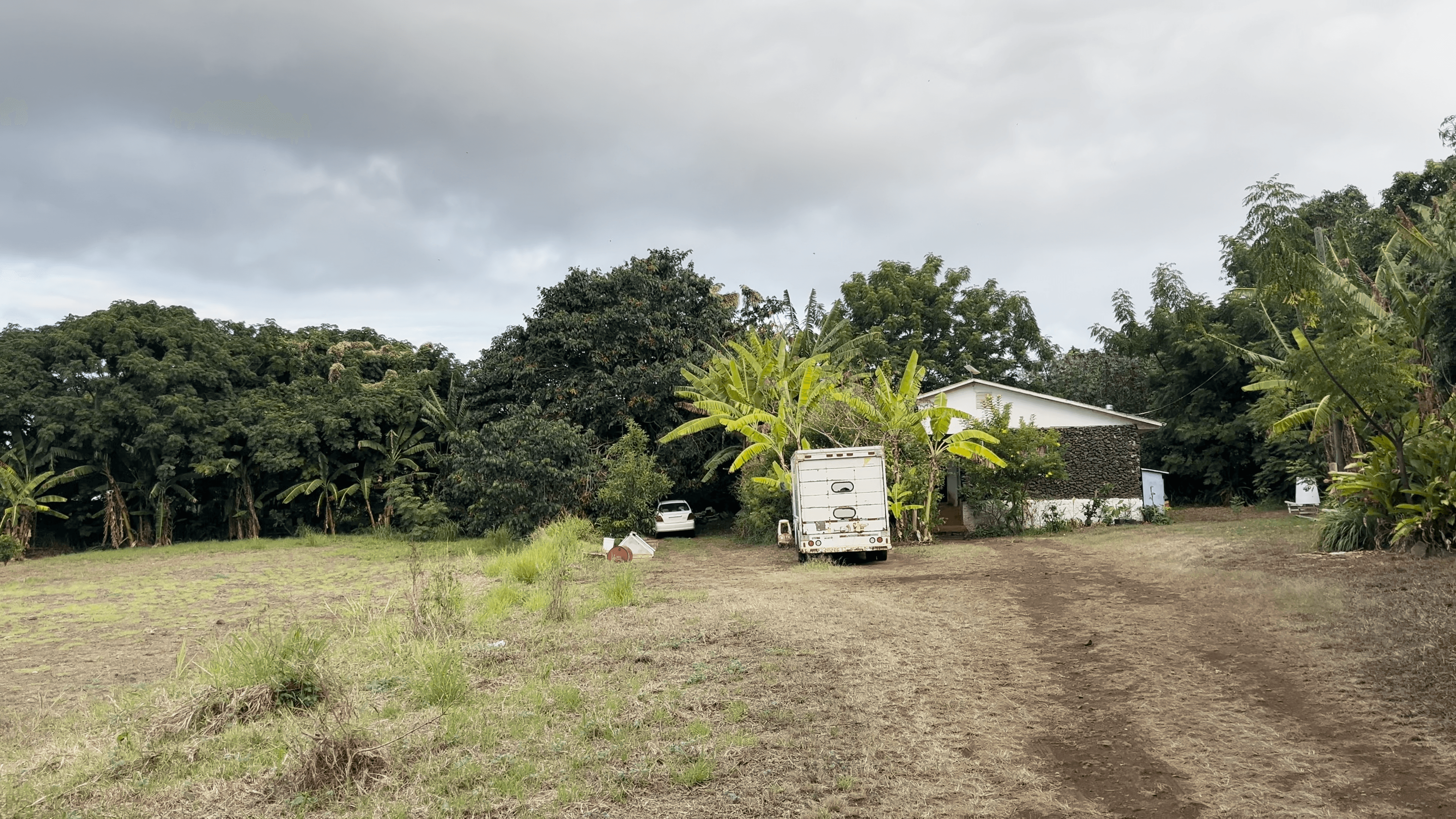
The Role of Visualization in Design Development
As with all Mapscapes projects, visualization plays a central role in shaping the design. Rather than being a final-stage representation, it is used as a design tool—allowing the team to test spatial relationships, lighting conditions, and material interactions early in the process.
This iterative workflow ensures that the final output is not only visually compelling but also spatially coherent and technically resolved.
Looking Ahead
Paloma Hucke represents more than a single project—it signals a direction. A move toward architecture that prioritizes experience over spectacle, clarity over complexity, and atmosphere over form-making.
As the project progresses, the focus will remain on refining this balance—ensuring that every decision, from macro planning to micro detailing, contributes to a unified architectural language.
In essence, Paloma Hucke is not just designed to be seen. It is designed to be felt.